
RevitalVision® Post-Cataract Vision Training
- Home
-

- Cataract Treatment

Beyond Surgery
Vision Training for Post-
Cataract Patients
At Desert Vision Center, care continues after cataract surgery. Many vision limitations cannot be corrected with glasses, surgery, or additional procedures alone. For qualifying patients, Dr. Keith Tokuhara may recommend RevitalVision®, a non-surgical vision-training program designed to help the brain make better use of available vision. Qualifying patients who choose Dr. Tokuhara as their cataract surgeon may receive complimentary access to RevitalVision as part of their personalized post-operative care. This exclusive benefit reflects our commitment to helping patients optimize their vision long after surgery is complete.
Better Vision Is Not Always About Another Procedure
What Is RevitalVision?
RevitalVision is a computer-based vision-training program designed to help the brain process visual information more efficiently. Cataract surgery replaces the cloudy natural lens with a clear lens implant, but vision also depends on how the brain interprets the information coming from the eye.
After cataract surgery, especially with advanced lens implants, multifocal lenses, or monovision, some patients need time to adapt to their new vision. This adjustment process is known as neuroadaptation.
RevitalVision is designed to support that process through structured visual training exercises completed at home on a computer.
For selected post-cataract patients, RevitalVision may be considered for concerns such as:
- Reduced contrast sensitivity
- Glare or halos
- Night vision difficulty
- Difficulty adapting to multifocal lens implants
- Difficulty adapting to monovision
- Near or distance vision concerns after cataract surgery
- Other qualifying visual performance limitations
RevitalVision is not recommended for every patient. Dr. Tokuhara carefully evaluates each patient's vision, lens implant, eye health, visual goals, and symptoms before determining whether the program may be appropriate. As part of Dr. Tokuhara's commitment to exceptional visual outcomes, qualifying patients who choose him as their cataract surgeon may receive complimentary access to RevitalVision when it is recommended as part of their ongoing care.


Post-Cataract Vision Support
Why Adjustment After Cataract
Surgery Is Important
Cataract surgery can dramatically improve vision, but healing and visual adjustment are not always immediate. Some patients see clearly very quickly. Others need more time as the eyes and brain adjust to a new lens implant, a broader range of vision, or a new visual balance between the eyes.
This can be especially true for patients with advanced technology lens implants, multifocal lenses, or monovision correction. These options may provide more visual range, but the brain may need time to learn how to use the new visual information.
Some patients may notice:
- Reduced contrast in dim lighting
- Glare around lights
- Halos at night
- Difficulty with night driving
- Vision that feels less sharp in certain situations
- A longer adjustment period than expected
In many cases, these symptoms improve with time. For qualifying patients, RevitalVision® may provide additional support by helping train the brain’s visual processing system.
Continuing Care After Surgery
Clarity Continued™ and
RevitalVision®
At Desert Vision Center, our goal is not simply to remove a cataract. Our goal is to help each patient achieve the best vision possible based on their eye health, diagnosis, lifestyle, and long-term needs.
For many patients, the next step after cataract surgery is updated eyewear. Through our Clarity Continued™ optical program, surgical patients have access to personalized optical solutions designed to work with their post-surgical results. This may include premium lens options, specialty eyewear, careful measurements, and individualized recommendations to help patients make the most of their vision after surgery.
For other qualifying patients, vision may be affected by how the brain adapts to a new lens implant, multifocal lens, monovision correction, or changes in contrast sensitivity. In those cases, Dr. Tokuhara may recommend RevitalVision®, a non-surgical vision-training program designed to support visual processing and neuroadaptation.
When RevitalVision is recommended as part of a patient’s individualized care plan, Desert Vision Center provides access at no additional cost to the patient.
Together, Clarity Continued™ and RevitalVision reflect the same commitment: continued care after cataract surgery, guided by one surgeon and one dedicated team.

Vision Training Technology
How RevitalVision Works
RevitalVision is completed at home using a computer-based program. The post-cataract program typically includes a series of structured visual training sessions performed over approximately two months.
Patients complete visual exercises on a computer screen, usually in 30-minute sessions several times per week. The program is customized to the patient’s pace and visual needs, and progress may be monitored remotely.
To complete the program, patients generally need:
- A computer with internet access
- A suitable flat screen
- A standard mouse
- The ability to complete regular training sessions at home
- Consistency over the course of the program
RevitalVision is not a quick fix. Patient participation is important. Results can vary depending on eye health, diagnosis, lens type, symptoms, and consistency with the training schedule.
Get Personalized Care
Schedule Your Consultation
At Desert Vision Center, our commitment to your vision doesn't end when your cataract surgery is complete. We continually look for opportunities to help our patients achieve the best vision possible, even when surgery has been an outstanding success. For some patients, additional visual improvement may still be possible.
If you have had cataract surgery and continue to experience concerns such as glare, halos, night vision difficulty, reduced contrast sensitivity, or difficulty adapting to multifocal lenses or monovision, Dr. Tokuhara can evaluate your vision and determine whether Revital Vision may be appropriate.
As part of our commitment to our patients, patients who choose Dr. Tokuhara as their cataract surgeon may receive complimentary access to RevitalVision as part of their personalized post-operative care. It's one more way Desert Vision Center invests in exceptional visual outcomes long after surgery is complete.
Schedule your consultation today to learn more about continued post-cataract vision care in Rancho Mirage and the Coachella Valley.

Frequently Asked Questions:
RevitalVision After Cataract Surgery

RevitalVision is a non-surgical, computer-based vision-training program designed to help the brain process visual information more efficiently. For selected post-cataract patients, it may be used to support visual adaptation and performance after surgery.

After cataract surgery, the eye receives clearer visual information, but the brain may still need time to adjust. This is especially common for some patients with multifocal lenses or monovision. RevitalVision may help selected patients support that adjustment process.
For qualifying patients, RevitalVision may be considered when glare, halos, reduced contrast sensitivity, or night vision concerns remain after cataract surgery. Dr. Tokuhara will first evaluate whether another eye condition or treatment issue may be contributing to the symptoms.
No. RevitalVision may be considered for selected patients with multifocal lenses, monovision, reduced contrast sensitivity, or other qualifying post-cataract visual performance concerns. It is not needed for every cataract surgery patient.
The post-cataract program is typically completed over approximately two months and includes multiple 30-minute training sessions completed at home on a computer.
Patients generally need a computer with internet access, a suitable flat screen, and a standard mouse. Dr. Tokuhara and the Desert Vision Center team can help determine whether the program is practical for your situation.
For qualifying patients, Desert Vision Center provides complimentary access to RevitalVision when Dr. Tokuhara recommends it as part of the patient’s individualized care plan.
Results vary. Some patients may experience improved visual performance, contrast sensitivity, or comfort in certain daily activities. Dr. Tokuhara will explain whether RevitalVision may be appropriate for your specific symptoms and eye health.
No. RevitalVision does not replace cataract surgery, glasses, retinal care, or medical eye treatment. It is an additional option that may be recommended for selected patients after proper evaluation.


Attention Patients
Dear Valued Patients of Desert Vision Center,
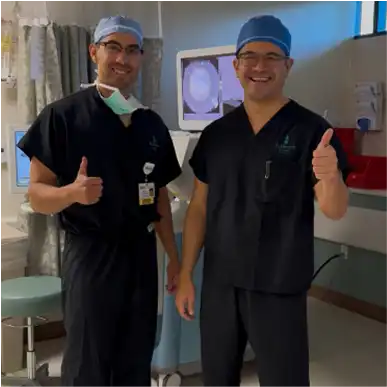
Dr. Tokuhara is a highly skilled cataract surgeon, specializing in advanced anterior segment surgeries, including complex glaucoma and cataract procedures. He focuses on patients who need surgical intervention or are at risk of severe vision loss.
While Dr. Tokuhara offers comprehensive eye care for his own surgical patients, he does not provide general eye care or post-operative care for patients of other surgeons. When you choose Dr. Tokuhara, he becomes your trusted eye doctor for life.
A Note About Ethical Care
In our community, some providers engage in illegal financial kickbacks, accepting payments for cataract surgery referrals. Desert Vision Center firmly rejects this unethical practice. We follow the highest ethical standards, complying with the Anti-Kickback Statute and Stark Law, ensuring that your care is never influenced by financial incentives.
We believe referrals should always be based on what’s best for the patient not financial gain. If you’re being evaluated for cataract surgery, we encourage you to ask questions and be mindful of these referral arrangements.
Choose the surgeon who prioritizes your vision and your well-being not one chosen for someone else’s profit.
Sincerely,
Desert Vision Center